Mount Tambora

Natural Wonder with a Powerful Eruption History in Dompu, West Nusa Tenggara

2,850M
Current Height
1815
Year of Major Eruption
4,300M
Height Before Eruption
VEI 7
Eruption Scale

About Mount Tambora

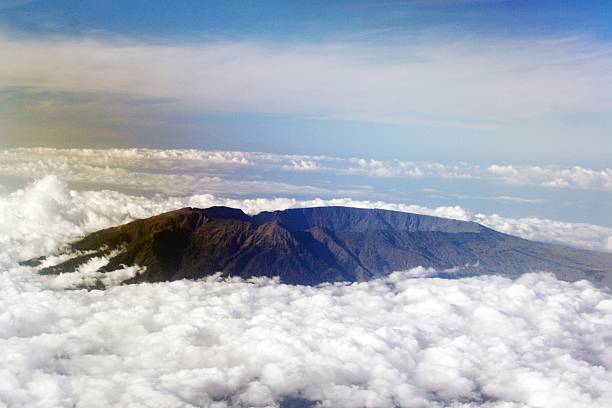
Mount Tambora is an active volcano located on Sumbawa Island, West Nusa Tenggara. This mountain is famous for its massive eruption in 1815, which was one of the largest volcanic eruptions in recorded human history.

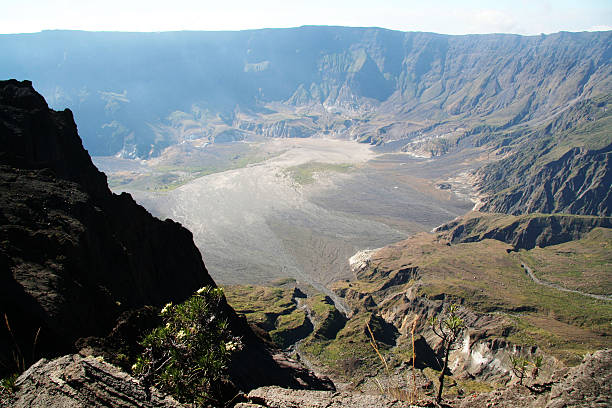
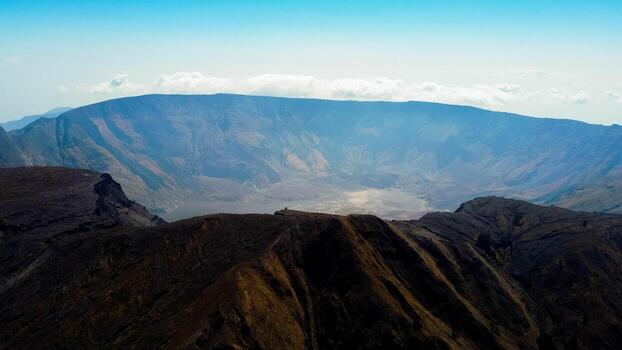
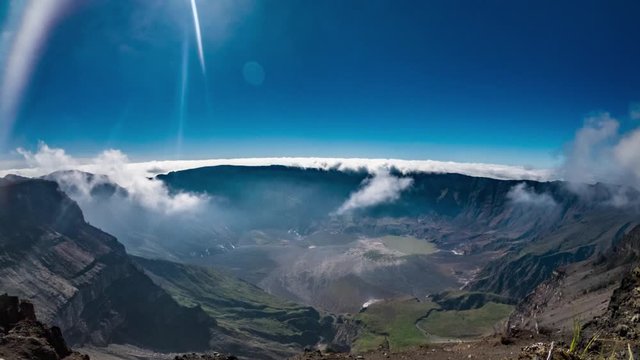
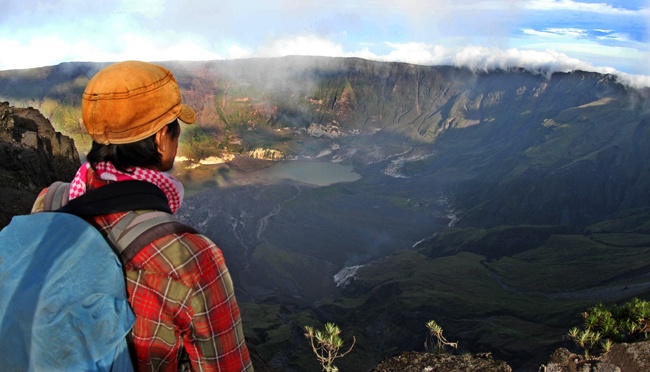
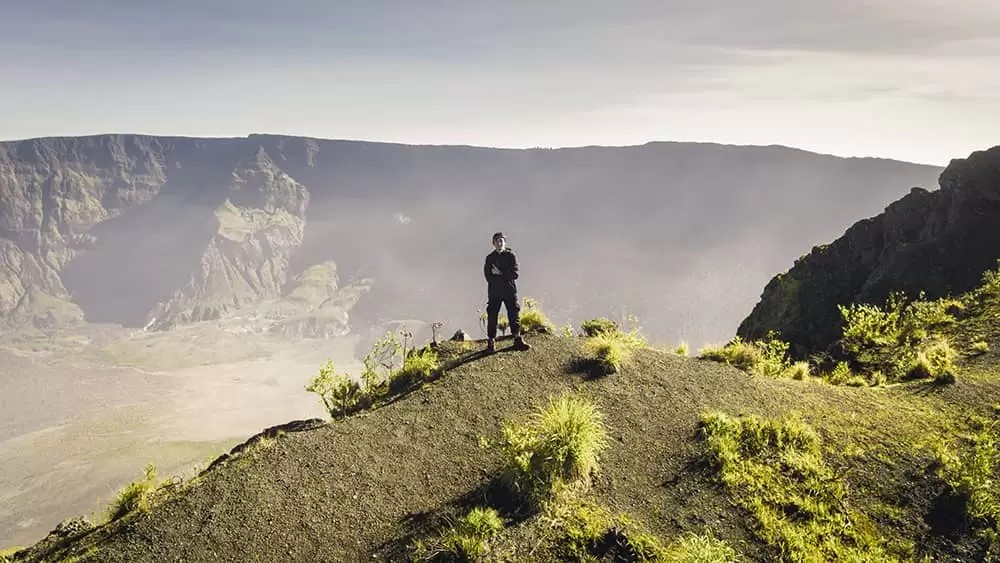
Before the 1815 eruption, Mount Tambora stood approximately 4,300 meters above sea level. After the eruption, its height drastically reduced to 2,850 meters, forming a giant caldera with a diameter of 6-7 km and a depth of 1,100-1,300 meters.

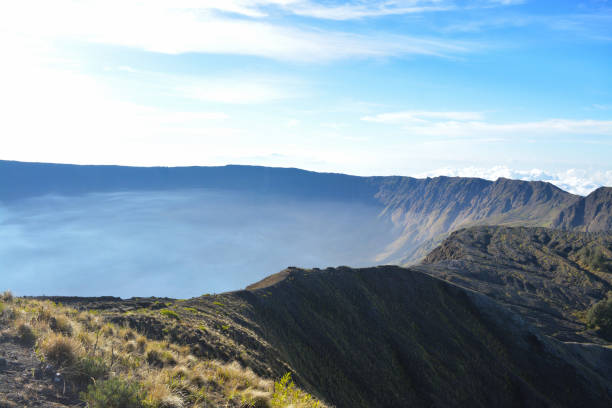
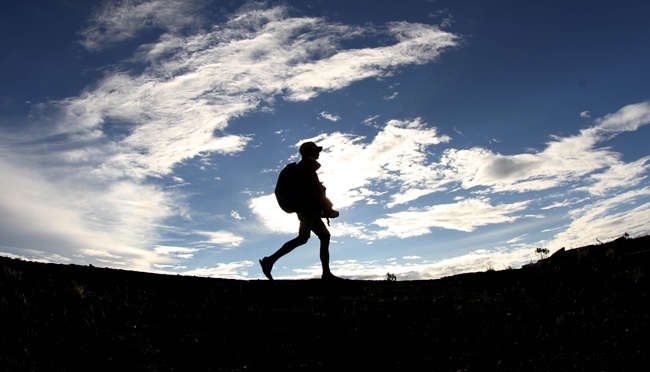
Today, Mount Tambora has become a popular hiking destination for adventurers. The climb to Tambora's summit offers spectacular views and an unforgettable experience, especially when witnessing sunrise from the mountain peak.

🌋

Active Volcano

One of Indonesia's most active volcanoes

🏞️

Giant Caldera

Largest caldera in Indonesia with amazing views

🥾

Hiking Destination

Challenging hike with spectacular scenery

Tambora Eruption History

Before 1815

Mount Tambora stood approximately 4,300 meters high and was one of the highest peaks in Indonesia. The mountain showed no significant volcanic activity for centuries.

April 5, 1815

The first eruption was heard in Makassar (about 380 km from Tambora). The sound of the eruption was mistaken for cannon fire, so troops were sent to search for ships thought to be under attack.

April 10-11, 1815

The peak eruption occurred. Volcanic ash covered the sky up to 600 km away. The sound of the eruption was heard up to 2,600 km away. Three columns of fire erupted and merged into one. The entire mountain turned into flowing fire.

After the Eruption

The mountain's height reduced from 4,300 m to 2,850 m. A giant caldera formed with a diameter of 6-7 km. Approximately 71,000 people died, both directly and from starvation and disease.

Global Impact

The eruption caused the "Year Without a Summer" in 1816 in the northern hemisphere. Global temperatures dropped by 0.4-0.7°C. Crop failures occurred in Europe, North America, and Asia. Many regions experienced extreme weather and famine.

Interesting Fact

The 1815 Tambora eruption was the largest volcanic eruption in recorded human history, with a scale of 7 on the Volcanic Explosivity Index (VEI). Its eruption power is estimated to be four times greater than the 1883 Krakatoa eruption.

Mount Tambora Experience

Watch the beauty and challenges of climbing Mount Tambora through this video

Activities

Hiking

Explore challenging hiking trails to Tambora's peak

Photography

Capture natural beauty and spectacular views

Camping

Enjoy camping experiences in the great outdoors

Wildlife Observation

Observe biodiversity around the mountain

Caldera Exploration

Explore the giant caldera after the 1815 eruption

Sunrise/Sunset

Witness stunning sunrise and sunset moments

Mount Tambora Location

How to Get There

  • Fly to Sultan Muhammad Kaharuddin III Airport (SWQ) in Sumbawa Besar
  • Land travel from airport to Dompu (about 3-4 hours)
  • From Dompu to Pancasila Village (hiking basecamp, about 2 hours)

Location Details

  • Sumbawa Island, Dompu & Bima Regencies, West Nusa Tenggara
  • Open for hiking with official permits
  • Height: 2,850 masl, Caldera: 6-7 km diameter